Food For Thought
Hair thinning is often a signal — not the problem itself.
The 5 Internal Imbalances Which Commonly Cause Hair Thinning:
1: Iron Deficiency
One of the most common hidden causes. Hair follicles rely on oxygen supply and when iron is low, growth is often the first thing affected.
Common signs:
- Increased shedding
- Thinning at the crown or temples
- Slow, weak regrowth
- Fatigue
- Low energy
- Feeling cold
Support:
- Grass-fed red meat (beef, lamb)
- Grass-fed organ meats or supplements
- Sardines
- Oysters
- Pasture-raised eggs
- Vitamin C-rich foods to improve absorption (capsicum, kiwi, pineapple, etc.)
Note:
- Ferritin (iron storage) often needs to sit higher than standard lab ranges for optimal hair support. Iron supplementation should be based on blood tests and professional advice, as excessive iron can also be harmful.
2: Low Protein Intake
Hair is primarily made of protein. When intake is too low, the body prioritises essential functions—leaving hair growth behind.
Common signs:
- Diffuse thinning
- Fragile strands
- Slower growth
Support:
- Aim for ~20–30g protein per meal.
- Pasture-raised eggs
- Free-range chicken
- Wild-caught sock-eye salmon
- Sardines
- Grass-fed meat
- Grass-fed bone broth
- Grass-fed, Hydrolised collagen supplements
3: Thyroid Imbalance
Thyroid hormones help regulate the hair growth cycle. Even subtle imbalances can affect density and texture.
Common signs:
- Outer eyebrow thinning
- Diffuse scalp thinning
- Dry, brittle hair
- Fatigue
- Temperature sensitivity
Key nutrients:
- Selenium (Brazil nuts)
- Iodine (wild-caught seafood)
- Vit D (the sun)
- Iron (grass-fed red meat)
- Omega 3 fats (sardines)
- Vit A (grass-fed beef liver)
- Copper (grass-fed beef liver)
- Vit C (kiwi)
- Vit B12 (pasture-raised eggs)
- Magnesium (pumpkin seeds)
- Zinc (pumpkin seeds)
Note:
- Do not supplement iron, iodine, selenium or vitamin A solely for hair loss without appropriate professional advice. Excess iodine, selenium and vitamin A can themselves cause health problems, and excessive vitamin A or selenium may also contribute to hair loss.
4: Vitamin and Mineral Depletion
Vitamins and Minerals like calcium, zinc, vit C, vit D, vit K2, vit B12, vit A, copper, iron, and magnesium are essential for follicle strength and repair. Levels can drop with stress, poor absorption, or certain dietary patterns.
Common signs:
- Increased shedding
- Slower regrowth
- Dull or weakened hair
Support:
- Pumpkin seeds
- Avocado
- Vit C rich foods (kiwi, capsicum, pineapple, etc)
- Sardines
- Oysters
- Wild-caught sock-eye salmon
- Pasture-raised eggs
- Grass-fed red meat and organ supplements
- Mineral-supportive, low-oxalate diet with fermented foods (e.g. sauerkraut, kefir, yogurt)
- Daily gentle sunlight exposure
5: Chronic Stress & Elevated Cortisol
Stress is one of the most common triggers for shedding. It can push hair into the resting phase—often showing up 2–3 months later. Stress can also disrupt thyroid function, deplete minerals, and increase scalp inflammation.
Effects:
- Ongoing shedding
- Poor regrowth
- Thinning despite “doing everything right”
Support:
- Consistent sleep
- Stable blood sugar
- Glycine from bone broth
- Minimal caffeine consumption
- Gentle daily movement
- Nervous system regulation
Key vitamin and mineral levels, protein intake, thyroid health and stress management all work together to influence the natural hair growth cycle.
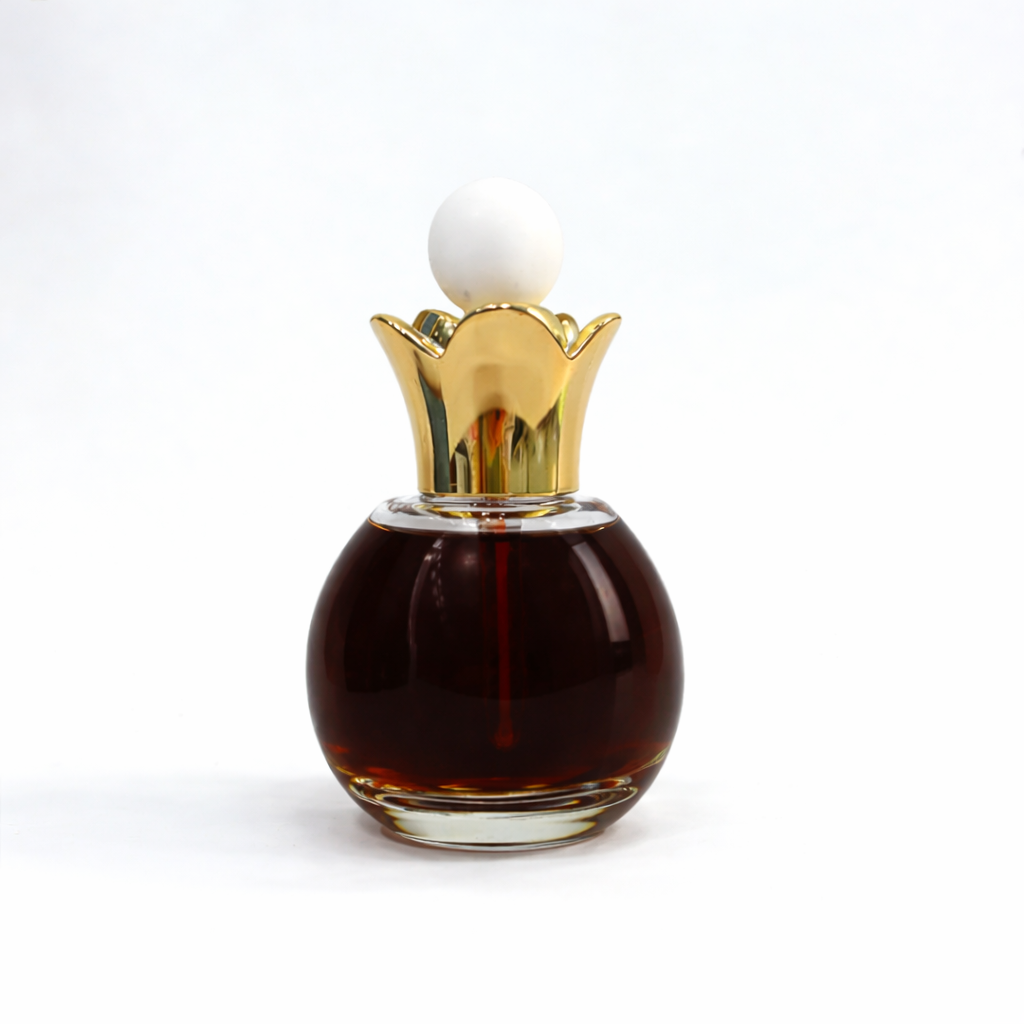
The Everbloom Elixir was created to support the scalp externally—while these internal foundations are brought back into balance.
-
The Root Cause
Read MoreMost hair concerns don’t start with the hair itself. They begin at the scalp, where build-up, imbalance, and everyday stress can quietly affect healthy growth over time.
-
The Ritual
Read MoreThis is your daily reset. A simple ritual in your routine. Massage a few drops into your scalp, breathe, and let it work quietly in the background while you carry on with your day or night.

Crown Cauldron
Everbloom Elixir
Share